

Best Time for the Everest Helicopter Tour: A Seasonal Guide for Breathtaking Himalayan Flights
Published On : 25th Jan, 2026 By Adventure

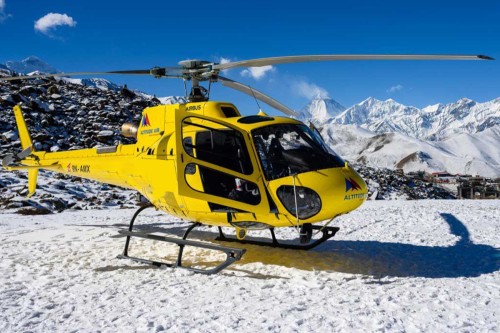
A Mount Everest Helicopter Tour offers one of the most exhilarating and time-efficient ways to experience the grandeur of the Himalayas. However, the best time for an Everest Helicopter Tour plays a crucial role in determining flight safety, mountain visibility, and overall experience. If you want clear skies, stable weather, and the best aerial views of Everest, knowing when to go is essential.
In this guide, we'll break down the best seasons for Everest helicopter tours, the pros and cons of each time of year, and expert tips to help you choose the perfect window for your adventure.
Why Timing Matters for Everest Helicopter Tours
Unlike traditional treks that take weeks, an Everest Base Camp Helicopter Tour condenses the experience into 4–5 hours. But the entire journey—from takeoff in Kathmandu to landing at Kala Patthar or Hotel Everest View—depends heavily on weather, wind, and visibility conditions.
Ideal weather ensures:
-
Smooth flight conditions
-
Clear views of Everest and neighboring peaks
-
Safe landings at Kala Patthar or Everest View Hotel
-
A comfortable and unforgettable experience
Let’s explore how each season in Nepal affects your helicopter adventure.
Spring (March to May): The Most Popular Season
Why Choose Spring?
-
Clear skies and stable weather
-
Blooming rhododendrons and vibrant landscapes
-
Crisp views of Everest, Lhotse, Ama Dablam, and more
-
Ideal temperatures for mountain landings
Things to Note:
-
Popular season = higher demand (book early)
-
Morning flights are best to avoid afternoon clouds
Autumn (September to November): The Clearest Skies
Why Choose Autumn?
-
Post-monsoon clarity gives unbeatable mountain visibility
-
Dry air = crystal-clear panoramic views
-
Mild temperatures at higher altitudes
-
Fewer flight cancellations due to stable conditions
Things to Note:
-
High season: book your seat or charter in advance
-
Cold mornings at Kala Patthar, so dress warmly
Winter (December to February): Cold But Stunning
Why Choose Winter?
-
Less crowded skies and air traffic
-
Clean, snow-covered Himalayan vistas
-
Calm, dry weather on many days
Things to Note:
-
Very cold at Kala Patthar and Everest View Hotel
-
Potential for sudden fog or weather shifts
-
Shorter daylight hours
Monsoon (June to August): Not Recommended
Challenges During Monsoon:
-
Frequent cloud cover and rain disrupt flights
-
Poor visibility = no scenic views
-
High chance of cancellations or delays
-
Risky landing conditions at high altitudes
Month-by-Month Overview: Quick Reference
| Month | Conditions Summary |
|---|---|
| January | Cold but clear, fewer tourists |
| February | Cold mornings, better visibility improves late in month |
| March | Warming up, great visibility begins |
| April | Peak season, rhododendrons in bloom |
| May | Warmest spring month, high demand |
| June | Start of monsoon, increasing clouds |
| July | Heavy rain, poor flying conditions |
| August | Monsoon continues, high cancellation rate |
| September | Clear skies return, peak season begins |
| October | Best month for clarity and views |
| November | Stable weather, great for photography |
| December | Cold but peaceful, scenic snowy landscapes |
Best Time of Day for the Helicopter Tour
-
Early morning (6:00 AM to 9:00 AM) is ideal
-
Clear skies and low wind make morning flights safer and smoother
-
Better chances for landing at Kala Patthar or Hotel Everest View
Final: When Should You Go?
-
Spring (March–May) and Autumn (September–November) are the best seasons
-
Winter offers scenic charm with fewer crowds (dress warm)
-
Avoid Monsoon unless you're flexible and lucky with weather
Choosing the right time ensures your Everest Helicopter Tour is not just safe, but also unforgettable.
Plan Your Everest Helicopter Adventure
Ready to fly above the world’s highest peaks? Check out:
-
Everest Helicopter Tour with Landing
For booking and custom packages, explore more on Adventure Himalaya Circuit.
Recent From Blog


11th Jan, 2026

28th Jul, 2025


20th May, 2025

14th May, 2025


25th Apr, 2025

18th Feb, 2025


